Industries
Medical and dental office cleaning: standards that keep you inspection-ready
July 20, 20266 min read
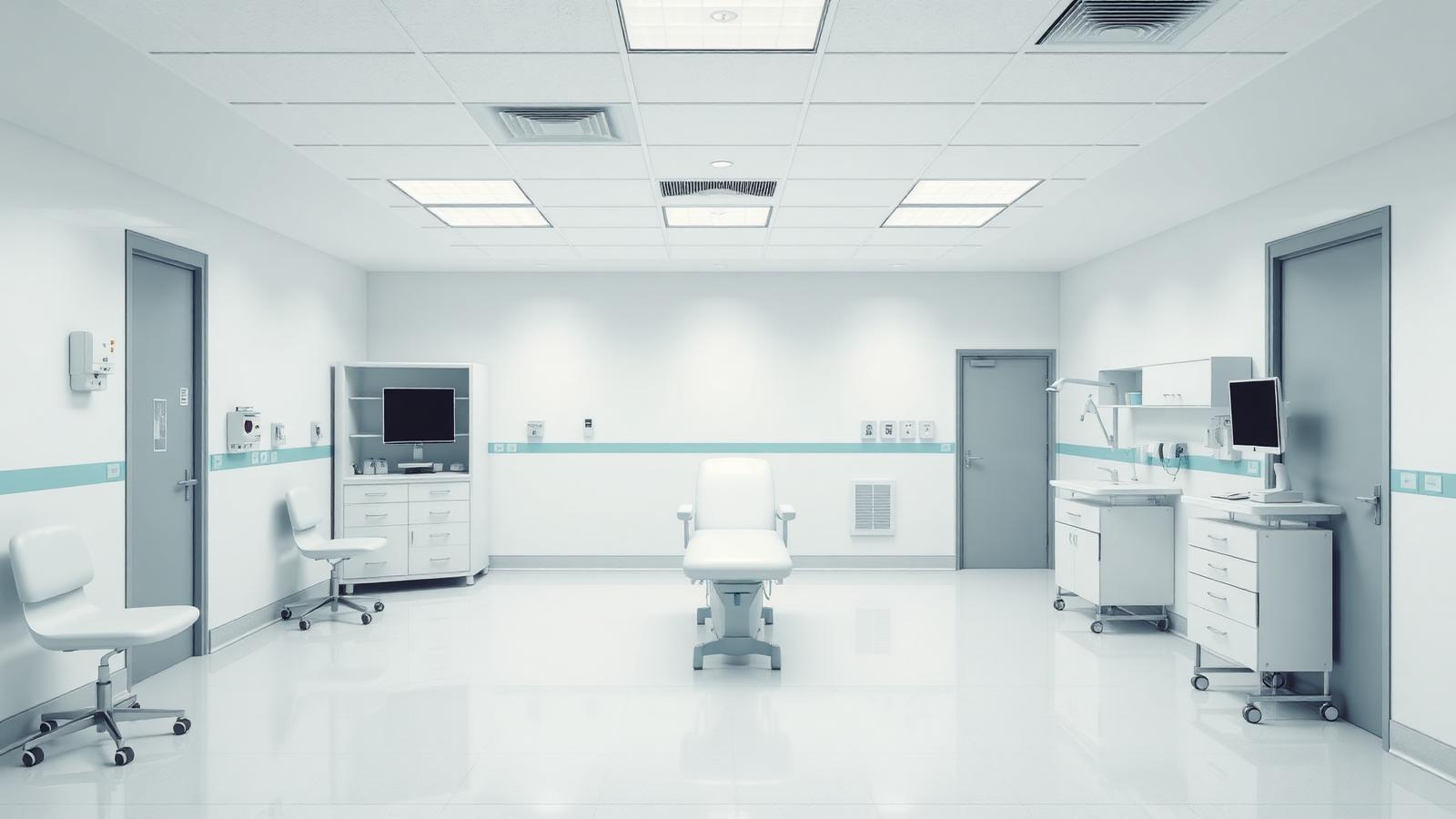
In a clinic, cleaning is a clinical process. The difference between a wiped surface and a disinfected one is measured in chemistry, contact time and cross-contamination control.
Cleaning ≠ sanitizing ≠ disinfecting
Cleaning removes soil. Sanitizing reduces pathogens to a safe level. Disinfecting kills a defined list of organisms — but only when the surface stays visibly wet for the product's full dwell time, typically 1 to 10 minutes. Wiping a disinfectant off immediately delivers none of the label claim.
Non-negotiables in a clinical scope
- Color-coded microfiber: separate cloths for exam rooms, restrooms and common areas — never reused across zones.
- Clean-to-dirty workflow, top-to-bottom, away from the door.
- EPA-registered hospital-grade disinfectant with the dwell time observed and posted.
- Correct handling of regulated waste containers (clean around, never handle contents).
- Terminal-style attention to exam tables, chair arms, light handles, keyboards and door hardware.
- Signed visit log and monthly documentation for inspection files.
Waiting rooms decide patient perception
Patients rate a practice's competence by the waiting room and the restroom. Upholstery vacuuming, wiped magazine tables, streak-free glass and an odor-free restroom carry more weight than any renovation.
Scheduling around patients
Clinical spaces are cleaned after the last patient or before the first. Crews should be background-checked, HIPAA-aware and trained never to move charts, devices or specimens.
Ready for a cleaner facility?
Free walkthrough, written scope and fixed monthly pricing — no email app required.
Request a quote